
How is communication possible when mobile networks and internet connections are not available? Especially in remote coastal and mountainous areas, this can be a challenge for organizations that need to exchange information during emergency situations.
In the Philippines, the non-profit organization Light of Hope PH explored how an independent communication network can be set up using Meshtastic and the SenseCAP T1000-E from Seeed Studio. During a practical test, a wireless mesh network was used to exchange messages between the mainland, a mountain location, and a moving boat.
This case study demonstrates how LoRa-based mesh communication can be deployed for emergency communication and coordination in areas where traditional communication infrastructure is unavailable.
This case study is based on a project by Seeed Studio, conducted by the Philippine organization Light of Hope PH.
The challenge of communication in remote areas
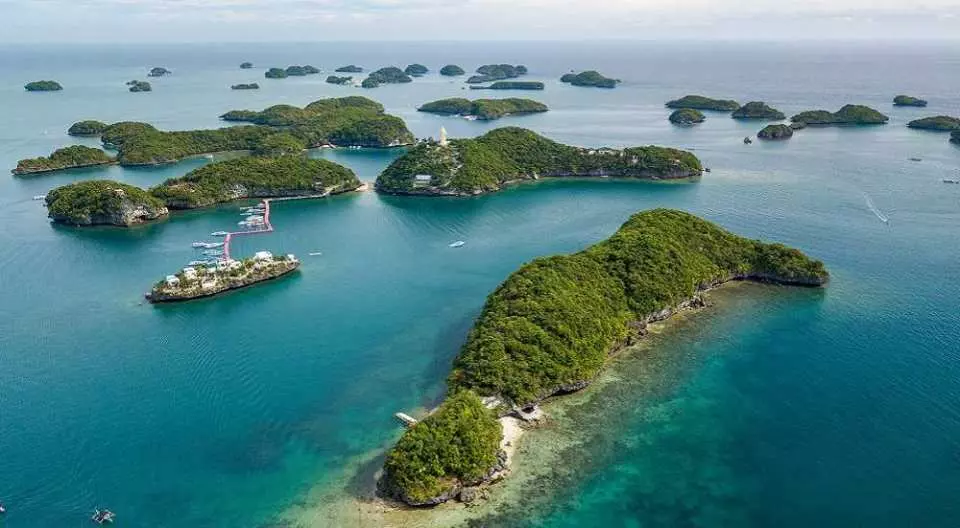
The Philippines consists of more than 7,000 islands, with many remote coastal and mountainous areas. In these regions, reliable communication remains a challenge, especially when existing mobile networks or internet connections are not available.
For organizations involved in disaster preparedness and emergency communication, it is therefore important to explore alternative communication options.
Light of Hope PH wanted to test whether an affordable, decentralized, and energy-efficient communication network could operate without relying on mobile networks or the internet. The goal was to investigate a solution that could be suitable for emergency situations and communication between remote locations.
Meshtastic as a solution for off-grid communication
For the practical test, Light of Hope PH used Meshtastic, an open-source project that enables devices to exchange encrypted messages via LoRa radio signals.
The technology allows the setup of an energy-efficient mesh network where devices communicate directly with each other or forward messages via intermediate nodes. This eliminates the need for a mobile connection or internet infrastructure to exchange messages within the network.
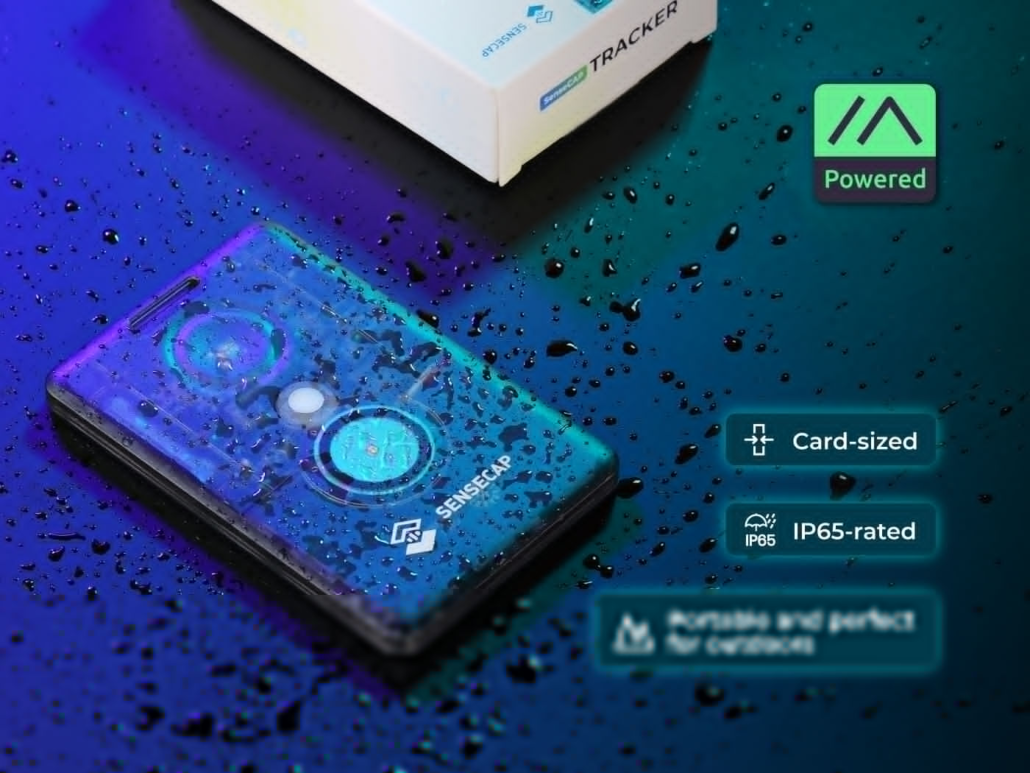
The organization used the SenseCAP T1000-E from Seeed Studio for this purpose. This compact tracker supports Meshtastic and has built-in GPS. The device is also designed for low energy consumption and long battery life.
A mesh network between land, mountain, and sea
For the test, a network with three nodes was set up to examine communication under different conditions.
Node A – Mainland: a SenseCAP T1000-E approximately 4 meters above sea level.
Node B – Mountain location: a SenseCAP-compatible relay node approximately 245 meters above sea level, powered by solar energy.
Node C – Boat: a SenseCAP T1000-E on a moving boat, about 7 meters above sea level.
All devices were configured to communicate via Meshtastic. With this setup, Light of Hope PH investigated how the network functioned between locations on the mainland, in the mountains, and at sea.
A communication distance of over 31 kilometers
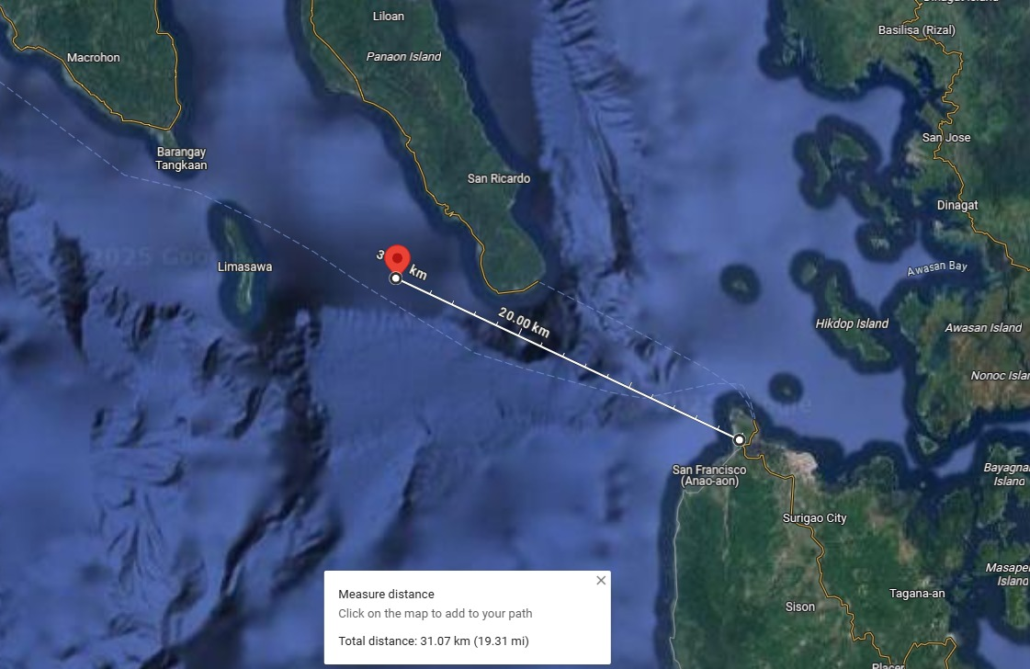
During the practical test, Light of Hope PH achieved a communication distance of 31.07 kilometers between the mainland and the boat, with only one intermediate hop.
According to Seeed Studio, message transmission remained stable under various conditions on land, in the mountains, and over open water. The network functioned completely without mobile connection, WiFi, or satellite infrastructure.
For Light of Hope PH, this was an important result in the research on independent communication networks for disaster preparedness.
Jovie Gil Montajes from Light of Hope PH emphasized that the achieved range was a positive outcome, especially given the challenging terrain and limited available resources.
The 31.07 kilometers is the result of this specific practical test and should not be regarded as a guaranteed communication range of the SenseCAP T1000-E.
The role of the SenseCAP T1000-E
Within the project, the SenseCAP T1000-E trackers were used on the mainland and on the moving boat. Together with the relay node on the mountain, the devices formed the Meshtastic network.
According to Seeed Studio, the compact design, easy installation, built-in GPS, and low energy consumption were important features for this application.
Because the SenseCAP T1000-E supports Meshtastic, the device could directly become part of the LoRa-based mesh network. The long battery life also made it suitable for a test in which energy efficiency played a key role.
The combination of these features helped Light of Hope PH establish a communication network that operated independently from existing communication infrastructure.
Meshtastic in practice
The practical test in the Philippines shows how a LoRa-based mesh network can be used to exchange messages between remote locations.
With the SenseCAP T1000-E and a relay node on a mountain, Light of Hope PH managed to establish a connection of more than 31 kilometers without using mobile networks, WiFi, or satellite communication.
The organization continues to develop its strategy for deploying this technology. The test thus serves as a concrete practical example of the capabilities of Meshtastic for disaster preparedness and emergency communication.
Would you like to learn more about the SenseCAP T1000-E or other off-grid communication solutions? Check out the SenseCAP T1000-E at Antratek or discover more about Meshtastic and MeshCore.


